Save Black Blocks
2016
In September 2016, I was thrust headfirst into leading the fight to save Atlanta’s Black Blocks. This wasn’t an enviable position, nor a fight the Atlanta skate scene saw coming. After two decades of hassle-free skateboarding, the most reliable skate spot the city had to offer was under fire.
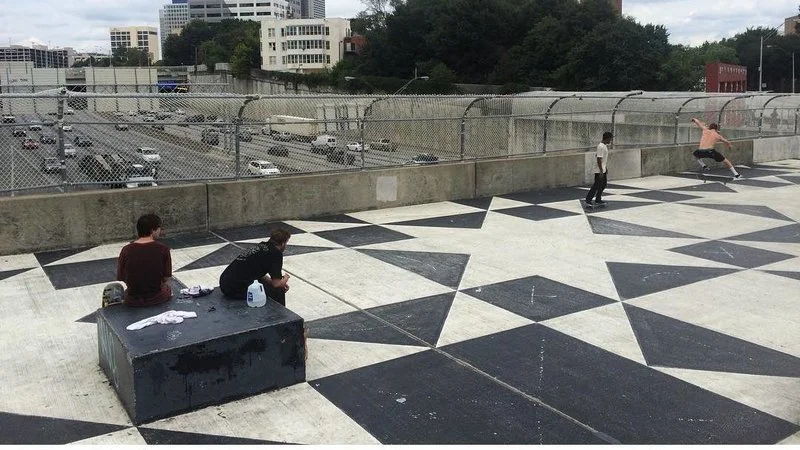
Originally designed and built on the corner of Piedmont Avenue NE and Baker Street as part of ongoing Olympic development in 1996, Black Blocks is known primarily for its iconic checkerboard ground, black ledges, and low bust factor (in civilian terms, that means no one kicks you out and cops will often direct you to this spot). Skateboarders recognized the spot’s potential almost immediately, and Black Blocks quickly became world-renowned, regularly appearing in magazines and videos. My friends and I spent too many hours to count here, whether meeting Saturday morning to warm up before a full day of street skating, or catching a few minutes of transcendence as the sun set after a long day of work. Simply put, Black Blocks is much more than a place to practice tricks.
When we pulled up that September afternoon and saw the spot fenced off, we were stunned. What do we do now? Once the initial shock wore off, I realized we had to fight back against the ongoing wave of gentrification in Atlanta, if only to ease my conscience and say we tried, This is the story of how we got skateboarders around the world to rally behind our cause and preserve the spot.
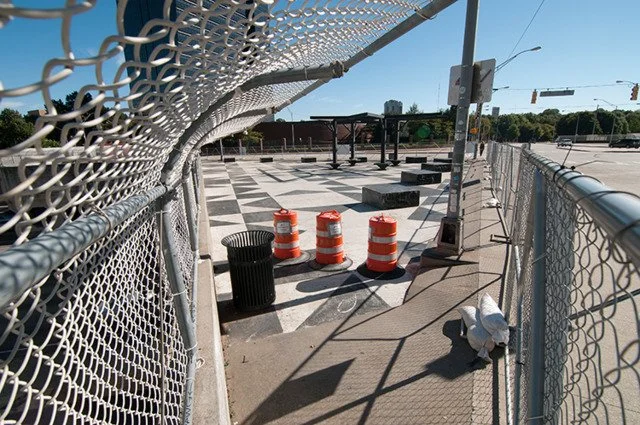
September 19th, 2016: Atlanta’s Black Blocks, a world-renowned skate spot, was unceremoniously fenced off by city officials. Black Blocks was once thought to be a safe haven for skateboarders of the southeast, and the community was left reeling by the idea of losing this sacred space. A Change.org petition I wrote and circulated online garnered over one thousand signatures in a twenty-four hour time frame.
September 21st, 2016: Save Black Blocks, as our cause grew to be known, started gaining widespread recognition, thanks to the help of official Instagram and Facebook accounts. The organizers of Long Live Southbank, a non-profit with a similar goal based out of London, reached out to our group. Thrasher Magazine shared our plea to their three million followers on Instagram, with Transworld Skateboarding and The Skateboard Mag soon following suit. Several other regional groups across the world stand in alliance with us.
September 22nd, 2016: Curbed Atlanta writes up an article sympathetic to the skateboarders of Atlanta. With this boost of courage, we start reaching out to several news outlets, emphasizing the angle of gentrification — a hot button issue in any American city. By now, the Change.org petition is well on its way to 5,000 signatures. Meanwhile, a fundraiser is introduced, in preparation of what’s thought to be a tedious battle with the city government. T-shirts and zines are offered as incentives to donate.
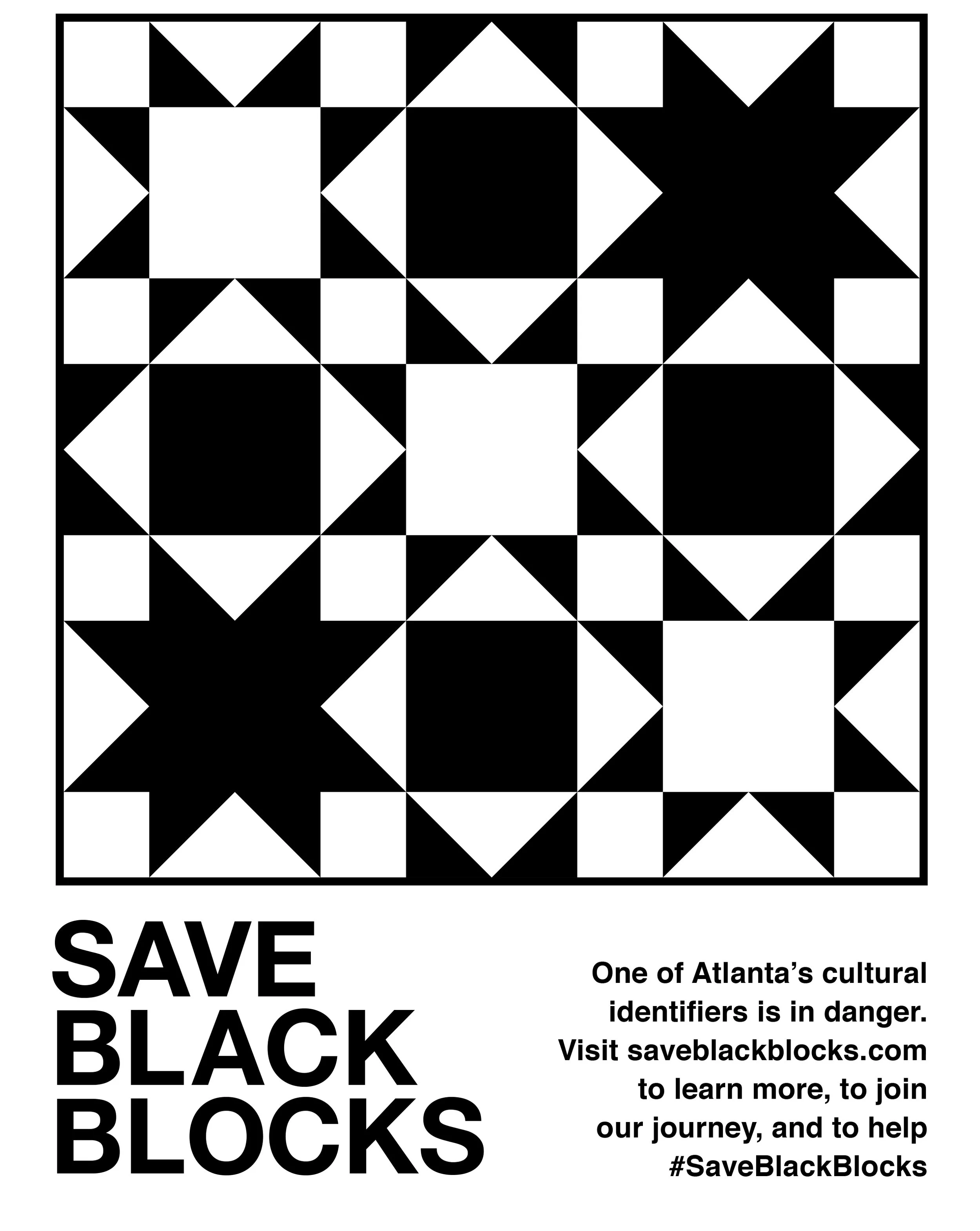
September 27, 2016: A number of flyers are printed out and hung in various locations across the metropolitan Atlanta area. We encourage our followers to reach out to their representatives in City Hall and leave short, respectful messages for them, pointing out their contributions to the community and the positive impact Black Blocks has on their lives. The fundraiser’s goal of $1,000 is met.
October 1st, 2016: We catch wind of an open City Hall meeting, scheduled for Friday, October 7th, and scramble to produce a document to distribute among city officials. The final product is a fourteen page pamphlet, full of stories from Atlanta skateboarders, pictographs, scholarly evidence on the positive impact of safe spaces for skateboarders, and photographs. By now, local news agencies are reaching out to both myself and city officials for comments.
October 5th, 2016: While assembling a group to represent the best skateboarding has to offer in the city of Atlanta, I’m interviewed by Sheena Roetman of Creative Loafing for an upcoming article regarding our struggle. She mentions that when she reached out to Camille Love of The Mayor’s Office of Cultural Affairs for comment, Love told her they had scheduled a meeting for this afternoon regarding our petition. Hours later, Love calls me with an olive branch, granting skateboarders access to most of Black Blocks.
October 7th, 2016: After discussing the compromise over with my peers, and getting the agreement in writing, I contact Ms. Love and tell her I accept her terms. Our struggle is now over. Skateboarders are legally permitted to use Black Blocks.
October 12th, 2016: Creative Loafing publishes Skateboarders: Save Downtown’s Black Blocks — first digitally, than in print the following week.
October 13th, 2016: I meet with Michael Segalov, of Huck Magazine, to chat about the fight skateboarders took against gentrification. The article is published online as part of their “Disunited States” series.
November 2016: Our group mails out t-shirts and zines to donors, to great acclaim.
November 9th, 2016: Georgia State University’s student newspaper, The Signal, reached out to me for comment on a story regarding Black Blocks.
June 1st, 2017: Restoration of Black Blocks is complete, and the fences come down with a brief reopening ceremony.
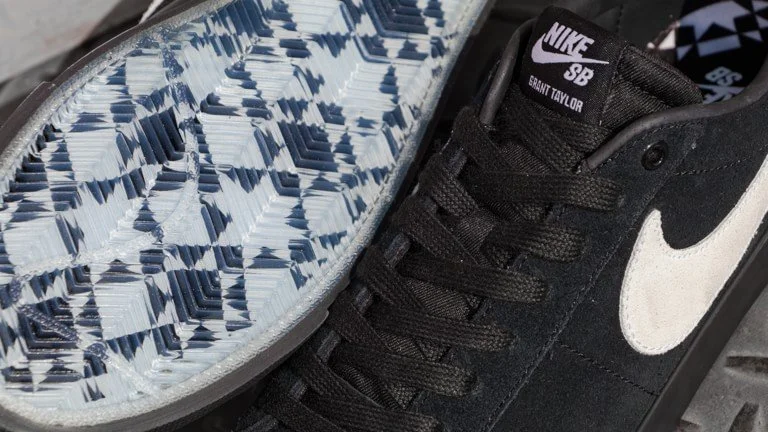
August 1st, 2017: Nike, in conjunction with local pro Grant Taylor, releases a Black Blocks-themed shoe.
Today: Skateboarders of all walks of life still enjoy the space.